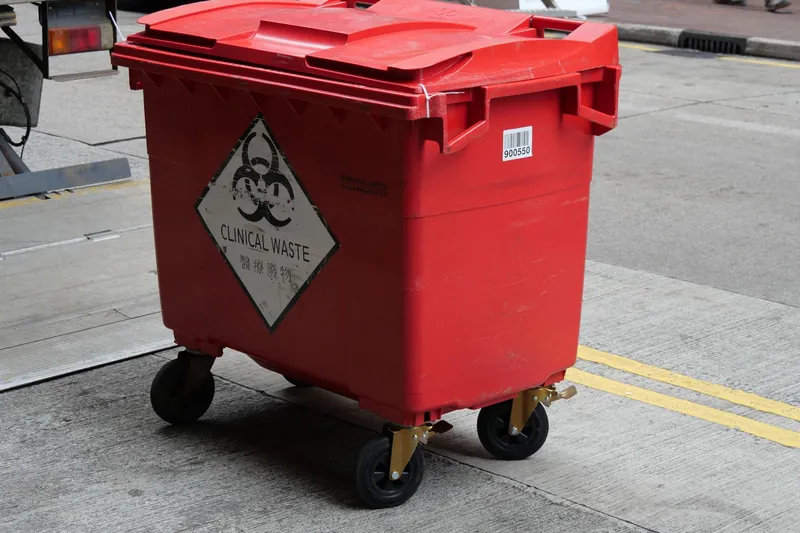
Medical Waste Removal
Medical waste removal and disposal through approved treatment facilities.
See medical waste removalGet blood, bodily fluids and contaminated materials cleaned from a hospital, clinic, dental office, laboratory or care facility in East Westwood. The affected area is contained, cleaned, disinfected and documented.
Hospital and healthcare biohazard cleanup is the controlled removal of blood, bodily fluids and contaminated materials, followed by cleaning and disinfection of the affected space.
A spill or emergency response that goes beyond routine environmental services can require professional cleaning. Settings include a clinic, laboratory, hospital room, dental office, nursing home, urgent care center, dialysis center or another place of care. Access is controlled while visible matter is removed, cleanable surfaces are disinfected and waste is packaged for the correct route.
Identifying the impacted area and its surfaces is the cleanup team's first task. From there, materials that can be cleaned are kept apart from unsalvageable ones. Hard and non-porous materials may remain after cleaning and disinfection. Porous items such as wallboard, ceiling tile, carpet and unfinished wood may require removal if contamination soaked into them. Soft contaminated waste, hazardous materials, sharps and medicines are separated by waste stream.
For privacy-sensitive work, crews may arrive in unmarked vehicles, with equipment following a planned route to help reduce notice in spaces that remain occupied.
Before returning the space, crews discuss containment, protective gear, cleanup, disinfectant contact time and separated waste with your facility contact.
Compare cleaning services by asking how each scope identifies the affected area, surfaces that can remain, materials that may need removal and cleanup steps that affect cost. Clear explanations make your options easier to compare.
Available scope notes, permitted photos and waste records are organized so your administrator, property contact or insurance company can check the work.
A room, object or surface may need hospital biohazard cleaning after intended containment fails for potentially infectious material, including blood. Situations commonly include:
Shared spaces and resident rooms can hold contaminated soft materials, blood or other bodily fluids that must be removed with care.
Controlled blood removal comes first when floors, walls, bed frames or equipment exteriors are affected, followed by the disinfectant's full contact time.
Focused biohazard cleaning may be necessary when an injury, a healthcare event or contamination exceeds ordinary surface cleaning.
Restrict access around loose needles or contaminated broken glass, and use an appropriate puncture-resistant container for the sharps.
Start by protecting everyone near the hospital or healthcare spill and following your facility's exposure control plan before blood cleanup. If the scene involves law enforcement, cleanup must wait for release of the area. Take these actions first:
Call (888) 440-9227There is no hospital-specific cost entry in the available published guides. For context, general biohazard cleanup guides list a typical national range of $3,000 to $5,000. A residential average range is $1,800 to $4,500. Broader published spans run from $1,500 to $25,000. These are general biohazard figures, not hospital quotes. The actual cost depends on the affected area, materials, waste and access requirements.
These ranges come from published national cost guides, not from a site visit. You learn what your property will cost after the on-site assessment and before any work begins.
Ask about cost: (888) 440-9227Whether insurance applies depends on what caused the contamination, what the facility policy covers and how contracts allocate responsibility. Cleanup for a sudden event is not the same as routine cleaning. To move ahead, keep clear records that an insurance company can use when assessing the loss.
Scheduled medical waste collection and routine environmental cleaning are usually treated as expected facility costs. Your facility contact or administrator can identify the right account to use.
Ask the insurance company whether cleanup, removed materials, waste disposal and related restoration are eligible under the policy. Record the claim number and document the cause.
Your records should include available waste documents, approved photos, invoices and cleanup scope details. Before disposal or repairs alter the affected area, confirm the required documentation with the adjuster.
The clinic lease may divide responsibility for cleanup and building repairs between the property owner and tenant. Check the lease, then notify the property representative before taking out any structural material.
Hospital cleanup moves in a controlled order from assessment and containment to disinfection, waste packaging and a last check. This structure protects nearby areas and makes the work understandable to facility staff. The particular materials, affected surfaces and internal facility procedures shape the final scope.
Cleanup technicians confirm what happened, map the affected area and identify blood, bodily fluids, sharps, chemicals and porous materials before work begins.
Access is restricted, a clean entry path is planned and nearby rooms or equipment are protected from unnecessary movement through the cleanup zone.
The identified exposure determines the choice of protective gloves, garments, eye protection and respiratory equipment rather than one setup for every situation.
The first step is absorbing and removing visible material. Cleaning begins at the outer edge and avoids spreading liquid into floor seams or nearby surfaces.
Crews wash surfaces that can be cleaned, apply an EPA-registered disinfectant and maintain wetness for all of the contact time on the label.
Any porous item that cannot be completely cleaned is removed with care. Separate waste routing is maintained for soft materials, sharps, chemicals and medicines.
Crews put hazardous waste into the appropriate sealed container and avoid compacting bags or combining incompatible substances. Before removal from the work zone, the container exterior is inspected.
Crews walk through the completed area with your facility contact and organize any available waste documentation, scope notes and photographs for recordkeeping.
You can call anytime. You speak with a hospital and healthcare biohazard cleanup specialist who outlines the process and schedules a start time with you.
Blood and bodily fluids can present serious health risks, as can loose sharps and unseen contamination, when unsuitable equipment or an incorrect cleaning sequence is used.
HIV and hepatitis B and C can be present in blood. The CDC says hepatitis B can survive on surfaces for at least seven days, so dried blood still requires proper precautions.
Liquid can run beneath furniture, under wall trim or into floor seams. Affected material may remain when cleanup focuses solely on the spill's visible center.
Trying to pick up a needle or contaminated glass by hand, or compacting the waste, can cause injury when the sharp object penetrates a standard bag.
Can you clean it yourself? A small spill on a hard, non-porous surface may be addressed under your facility's blood spill procedure by staff assigned and prepared for that task. If the spill reached porous material, includes loose sharps, covers an uncertain area or exceeds the facility's cleanup capacity, keep the area restricted and request professional cleanup.
A fully cleanable and disinfectable non-porous surface can often be kept. Porous materials are different. If bodily fluids or blood have soaked beneath the surface, removal may be needed to address the hidden contamination.
The OSHA Bloodborne Pathogens Standard, 29 CFR 1910.1030, covers work practices, exposure control, training and protective equipment for workers who might contact blood.
Use an EPA-registered disinfectant suited to the target organism and surface. The product label gives a complete contact time during which surface wetness must be maintained.
Ohio treats soaked materials from a biohazard scene as infectious waste. Ohio EPA's Division of Materials and Waste Management rules control how it is packaged, transported and treated, so it cannot go in household trash.
Local health and building rules can affect how a contaminated room is cleaned and when it can be used again, so mention any notice you have received from the city or county.
Hospital biohazard cleanup has no single timetable. A contained hard-surface spill may take less time than contamination across several rooms or beneath porous flooring, and facility access can change the schedule.
The full hospital and healthcare biohazard cleanup guide covers what is cleaned or removed, odor and air quality work, and the rules that apply in Ohio and Hamilton County.
Read the full hospital and healthcare biohazard cleanup guideLocal population patterns, housing and site access may affect how containment and cleanup are planned.
Knowing that Mercy Health, West Hospital is about 1.6 miles away helps households plan where to seek care before arranging scene cleanup.
The location sits near Villages at Roll Hill, Millvale, and English Woods, making local landmarks helpful when a property entrance is hard to find.
A cleanup plan for this neighborhood should account for adjacent homes or units when setting odor control and containment boundaries.
During your call, ask whether cleanup is available in surrounding communities and ZIP codes.
Medical waste removal and disposal through approved treatment facilities.
See medical waste removal
Pickup and disposal of biohazard waste use containers that are sealed and labeled.
See biohazard waste disposal
Yards, encampments, parks and rental properties receive needle and sharps cleanup.
See needle and sharps cleanup
Blood spill cleanup addresses fresh or dried blood spills of every size.
See blood spill cleanup
Cleanup controls the risk of blood exposure involving HIV, hepatitis C and hepatitis B.
See bloodborne pathogen cleanup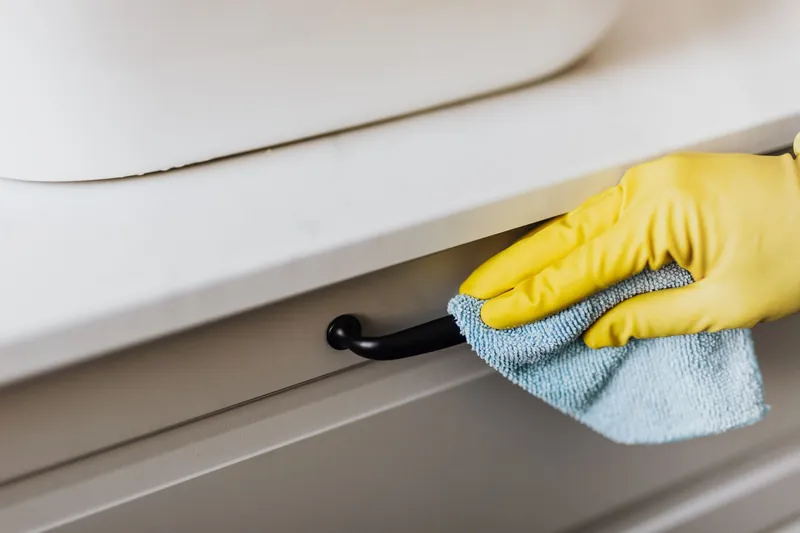
Across care settings, commercial spaces and homes, bodily fluid cleanup includes disinfection.
See bodily fluid cleanup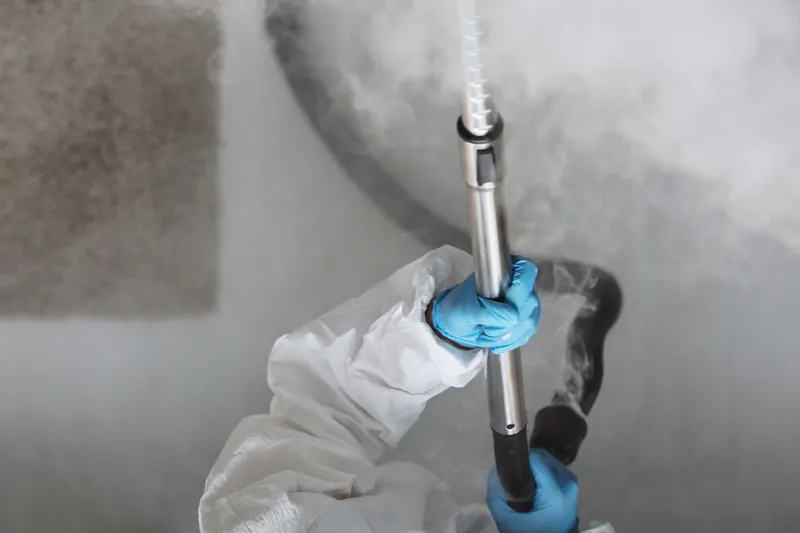
All surfaces receive full coverage with EPA-registered products for infectious disease disinfection.
See infectious disease disinfection
Commercial and industrial biohazard cleanup planned around site access and operating needs.
See commercial and industrial biohazard cleanupThe affected surfaces are reviewed after visible material is removed, cleaning is complete and the disinfectant has remained wet for its label contact time. Available waste documentation and scope notes are given to your facility contact. The facility repair process can then address flooring, ceiling tile, wallboard or furnishings that were removed.
Facility access and possible structural removal influence the schedule, along with the affected area, waste streams and surface types. Contamination that reaches under a floor or into several rooms requires more work than a limited hard-surface spill. Once assessment is complete, cleanup personnel should identify the work stages and explain where access is limited.
Limit access first, then use the exposure control plan established by the facility. With appropriate protective equipment, assigned staff remove blood without spreading contamination, clean the surface and keep an EPA-registered disinfectant in place for the complete label contact time. Loose sharps must be managed separately from porous items, and the situation may call for professional cleanup.
Yes, continue using bloodborne pathogen precautions after blood has dried. According to the CDC, hepatitis B can remain viable on a surface for at least seven days. Scraping and brushing can scatter particles, so leave dried material undisturbed. Restrict the area and follow the clinic's exposure control and blood spill procedures for removal, cleaning and disinfection.
Hospitals follow their exposure control and waste procedures. Needles and similar sharps are placed in a container that resists punctures, separate from absorbed blood and contaminated disposables in the required closed waste container. Keep chemicals and medicines separated. The waste follows a final transport and treatment path that meets all applicable state, local and facility rules.
Choose products according to the type of surface and your facility's procedure. First remove any blood that can be seen. Afterward, use an EPA-registered disinfectant suitable for both the surface and organism for all of its labeled contact time. Choose absorbents, protective equipment, cleanup tools and waste containers based on the exposure involved.
Discreet, respectful hospital and healthcare biohazard cleanup, 24 hours a day, with crews in unmarked vehicles.